
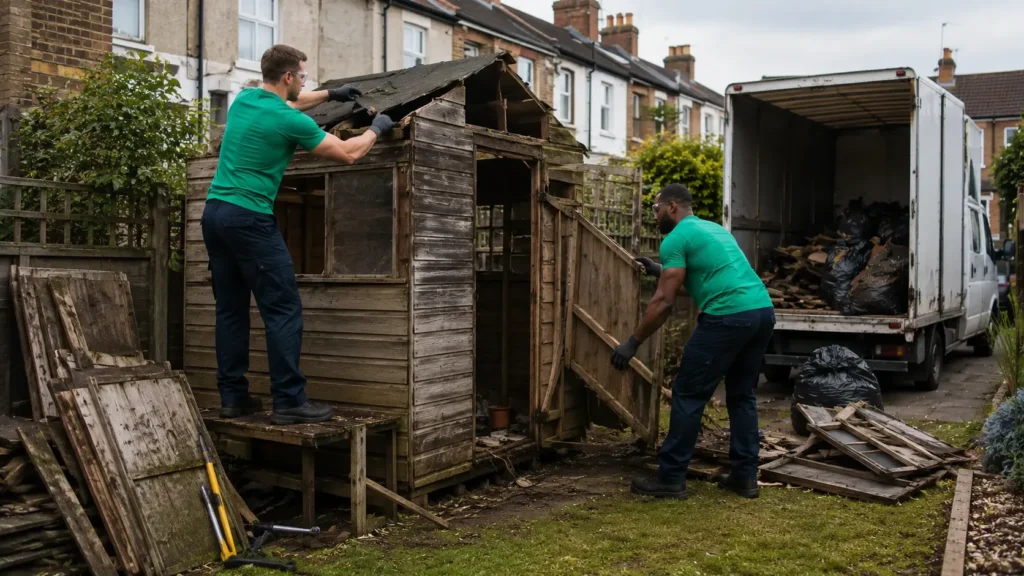
An old garden shed can quickly become an eyesore and a safety hazard. Whether it has been damaged by years of exposure to the British weather, affected by rot, or simply outlived its usefulness, removing it safely requires more planning than many homeowners realise.
Across Walthamstow, many gardens contain ageing timber sheds, storage units, and decking structures that have deteriorated over time. While it may be tempting to start pulling panels apart immediately, proper preparation is essential to avoid injury, property damage, and disposal issues.
Before beginning any shed removal project, it is important to understand the potential hazards involved and how to dispose of the resulting waste responsibly.
Why Should an Old Garden Shed Be Removed?
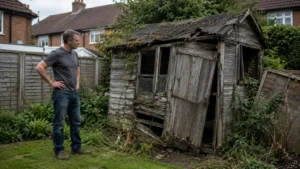
Garden sheds are constantly exposed to rain, moisture, temperature changes, and general wear and tear. Over time, even well-built structures begin to weaken.
Common reasons for shed removal include:
- Extensive timber rot
- Structural instability
- Storm damage
- Pest infestations
- Space requirements for landscaping projects
- Replacing an old shed with a new garden building
Removing a deteriorating shed early can prevent further damage to nearby fencing, patios, and garden features.
How Can You Check Whether a Shed Is Safe to Dismantle?
Before touching any part of the structure, carry out a thorough inspection.
Older sheds can become unstable, especially if the supporting timber has rotted or if fixings have corroded over time.
Check for Rotting Timber
Wooden sheds are particularly vulnerable to moisture damage.
Look carefully at:
- Floor joists
- Corner posts
- Wall panels
- Roof supports
- Door frames
Soft, crumbling, or discoloured timber often indicates advanced rot. If major structural components have deteriorated, sections of the shed may collapse unexpectedly during dismantling.
Inspect Rusted Screws, Nails, and Fixings
Many sheds are held together with screws, nails, bolts, and brackets that may have been exposed to the elements for years.
Rust can weaken these fixings and make them difficult to remove.
Attempting to force rusted connections apart can cause timber to split or sections of the structure to fall unexpectedly.
Wearing protective gloves is essential when handling corroded metal components.
Look Out for Spiders and Other Pests
Garden sheds often provide ideal shelter for insects and small animals.
Before dismantling begins, inspect dark corners, roof spaces, shelving units, and storage areas.
Common visitors include:
| Potential Hazard | Why It Matters |
|---|---|
| Spiders | May be hidden in corners and roof spaces |
| Wasps | Nests can become aggressive when disturbed |
| Rodents | May be nesting beneath flooring |
| Ant colonies | Often establish themselves in rotting timber |
Using a torch during inspection can help identify any hidden pest activity before work starts.
What Safety Equipment Should You Use?
Dismantling a shed involves lifting, cutting, and handling potentially hazardous materials.
Appropriate safety equipment can significantly reduce the risk of injury.
Recommended protective equipment includes:
| Equipment | Purpose |
|---|---|
| Safety gloves | Protection from splinters and sharp metal |
| Safety glasses | Protection from debris |
| Steel-toe boots | Protection from falling materials |
| Dust mask | Reduces inhalation of dust and mould particles |
| Long-sleeved clothing | Protects skin during dismantling |
Working with a second person is also advisable, particularly when removing roof panels or large wall sections.
What Is the Safest Way to Dismantle a Garden Shed?
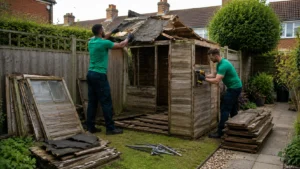
A systematic approach helps prevent accidents and makes disposal easier.
Most shed removals follow a simple sequence.
Remove Everything Inside First
Clear all tools, shelving, storage boxes, and loose items before beginning dismantling.
This reduces weight and eliminates unnecessary obstacles.
Start With the Roof
Roof sections are usually removed first because they often place significant weight on the rest of the structure.
Carefully remove roofing felt, panels, and supporting timbers before moving on to wall sections.
Remove Doors and Windows
Doors and windows should be detached early in the process to prevent them from falling during dismantling.
Store glass components safely away from the work area.
Dismantle Wall Panels
Once the roof has been removed, wall sections can be taken down individually.
Work methodically around the structure and avoid applying excessive force to weakened sections.
Remove the Floor and Base
The final stage involves removing flooring materials and any supporting framework beneath the shed.
Depending on the age of the structure, some timber may already be heavily decayed and require careful handling.
How Should Old Shed Materials Be Disposed Of?
Once dismantled, most sheds generate a surprising amount of waste.
Materials commonly include:
| Waste Material | Disposal Method |
|---|---|
| Timber panels | Recycling or licensed disposal |
| Roofing felt | Specialist waste disposal |
| Metal brackets and screws | Metal recycling |
| Glass panels | Appropriate glass recycling |
| Decking boards | Timber recycling or disposal |
Many homeowners are surprised by how much space dismantled shed materials occupy. Even a small garden shed can generate a large pile of timber, roofing materials, and mixed waste.
Simply stacking the waste at the side of a property can quickly create another garden clearance problem.
What About Old Decking and Other Garden Structures?
Garden clearance projects often involve more than just a shed.
Old decking, raised planters, timber fencing, pergolas, and storage units frequently require removal at the same time.
These structures can be difficult to dismantle due to buried supports, heavy timber sections, and decades of accumulated weather damage.
Professional clearance teams have the tools and experience to remove these materials safely while minimising disruption to the rest of the garden.
Why Do Homeowners Choose Professional Shed Removal Services?
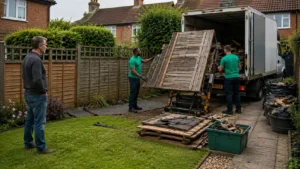
While some smaller sheds can be dismantled by homeowners, larger or heavily deteriorated structures often present significant challenges.
Professional garden clearance services offer several advantages:
- Safe dismantling of unstable structures
- Removal of heavy timber sections
- Responsible waste disposal
- Faster project completion
- Reduced risk of injury
- Complete site clearance
Most importantly, professional teams can handle both the dismantling and disposal process, eliminating the need for multiple trips to recycling centres.
Need Shed Removal in Walthamstow?
If you have an old, damaged, or unwanted garden shed taking up valuable space, Rubbish Removal Walthamstow can help. Our experienced team doesn’t just collect shed waste and old timber. We can actively dismantle old sheds, decking, fencing, and other garden structures for you, making the entire process safe, quick, and hassle-free.
Whether you need shed removal in Walthamstow, old timber disposal in E17, or a complete garden clearance, we provide fast, reliable services throughout the local area. Simply send us a photo of the shed or garden waste that needs removing, and our team will provide a free, no-obligation quote. Same-day and next-day collections are often available, helping you reclaim your outdoor space without the hard work.